Neurodiversity therapy and counselling for neurodivergence

Exploring your neurodivergent experience: how therapy and counselling can support your neurodiversity journey
Today I’ll be sharing reflections on counselling and therapy for neurodivergent folks, which is one of the areas I where I offer specalist support. Almost all of my clients are Autistic, ADHD, AuDHD or navigating other forms of neurdivergent experience. Something that I can strongly relate to myself, having realised I’m AuDHD (autistic and adhd) later in life.
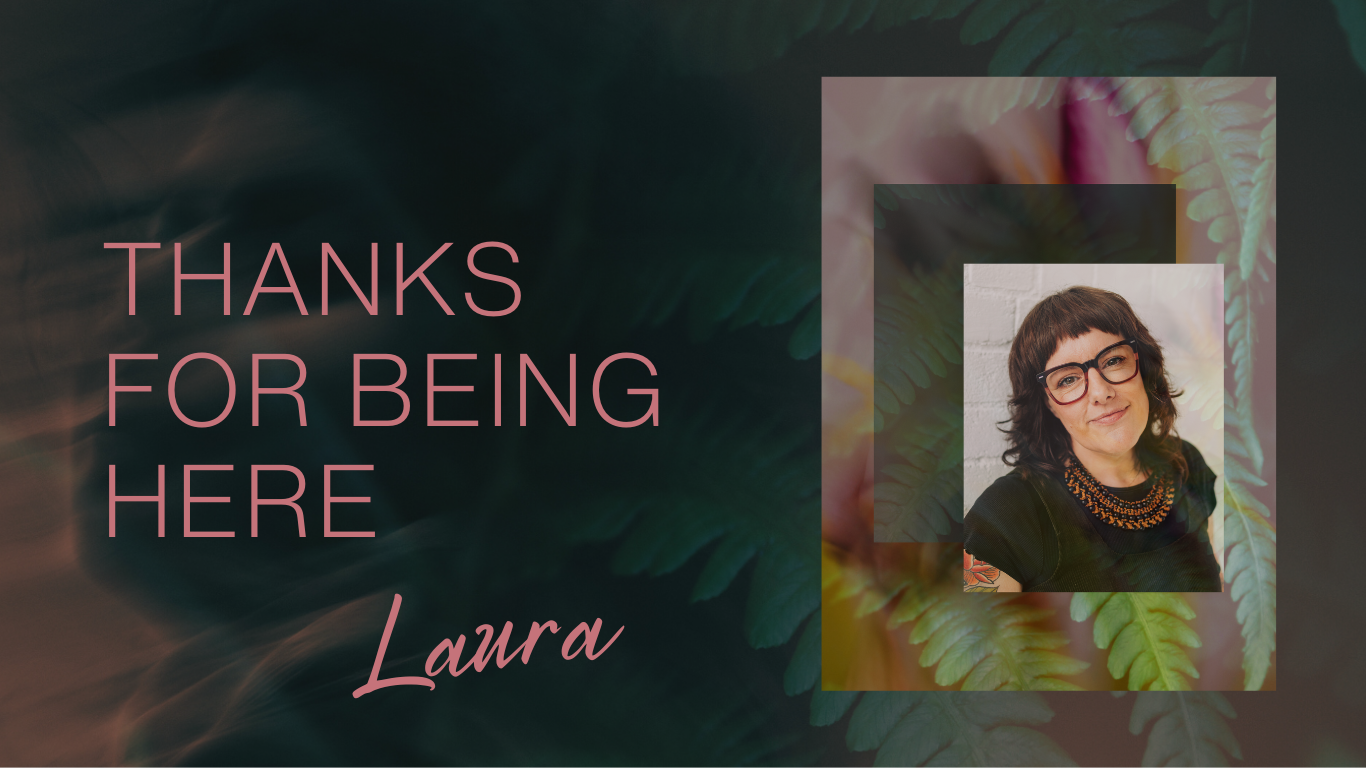
If you’re new here, I’m Laura, a counsellor, nature therapist and trauma therapist. I specialise in working with autistic and/or ADHD clients and I’m AuDHD myself.
For many of us, especially those who are late realised or diagnosed, we come to therapy after years of trying to navigate structures that just weren’t designed for us, so working with a therapist who understands and gets this can mean the therapy room doesn’t become yet another place where our neurodivergent experience isn’t seen, accepted or understood.
My work offering neurodiversity affirming therapy and counselling for neurodiversity is rooted in supporting you to understand your experience and to meet yourself with compassion and care. I don’t see your neurdivergent experience as something that need to be fixed, but as a valid and meaningful way of experiencing the world.
What makes working with a neurodivergent therapist different?
Neurodivergent people often experience therapy differently from neurotypical people and these differences can shape whether we find therapy supportive or alienating. Standard therapy models frequently assumes indirect communication and specific ways of connecting with insight, which doesn’t always align with how we process our experiences as neurodivergent people.
Masking, executive functioning challenges and past experiences of being misunderstood can also make it harder to feel safe and authentic in the therapy room. Working with a therapist who has lived experience of neurodivergence can reduce these barriers by offering more direct and flexible communication, more sensitivity to your sensory and pacing needs, and a neurodiversity-affirming approach that focuses on understanding rather than “fixing.” This shared understanding can help build trust, reduce the effort of constantly explaining yourself and make therapy more collaborative, accessible and meaningful.
I know from my own experience that there is power and validation in someone seeing and understanding your experience without having to fight to justify or explain it. Instead of focusing on “overcoming” your neurodivergent experience, we’ll look at resourcing, support and tools to navigate a world that isn’t designed to accommodate difference.
My Journey as an neurodivergent counsellor and therapist
In my work in neurodiversity counselling, I’ve found that many of my clients navigate similar experiences; burnout, masking, shame and the weariness than comes from trying to move through a neurotypical focussed world. Because I share those experiences, my aim is to create a space where you can explore your struggles without having to mask, while building trust in your internal world and experiences.
You don’t need to be diagnosed to come to therapy and explore neurodivergence. Self realisation or self diagnosis is always welcome.
Whether you’re just beginning to explore what your neurodiverse experience means for you, or you’ve long understood yourself as neurodivergent, therapy can offer a meaningful space to make sense of your experiences, connect the dots and support healing over time.
Building trust as your counsellor and therapist
For counselling to be genuinely helpful, a sense of safety and trust is essential. This is particularly important for neurodivergent clients, where feeling overwhelmed, misunderstood or socially unsafe can make it much harder to engage openly. Emotional, sensory and relational safety all play a role in whether therapy feels accessible and supportive.
My neurodiversity-affirming approach focusses on collaboration and flexibility. Therapy is shaped around you, with regular check-ins and adaptations as needed. This might include changes to the environment, different ways of communicating, or a pace that feels manageable rather than pressured. The aim is to create a steady, respectful therapeutic relationship where there is no expectation to mask or perform.
Alongside professional training in working with autistic, ADHD and other neurodivergent clients, my lived experience of AuDHD informs this work at every level. Being supported through clinical supervision by my awesome neurodivergent supervisor also brings an added layer of support.
I offer counselling and therapy in Birmingham, online and I also offer nature based sessions. If you’d like to find out a little bit more about my approach as a therapist, you might like to check out this post.